Elevate Your Brand: Using Creative Business Card Templates
In a world saturated with digital noise, the tactile experience of a well-designed business card remains a powerful tool. It’s a physical handshake, a portable piece of your brand identity that can leave a lasting impression long after a meeting ends. But starting from scratch can be daunting. This is where high-quality Creative Business Card Templates Designs step in, offering a professional foundation that saves time and ensures print-ready excellence. These templates aren't just placeholders; they are meticulously crafted design assets that communicate style and intention from the first glance.
Understanding the Anatomy of a Professional Template
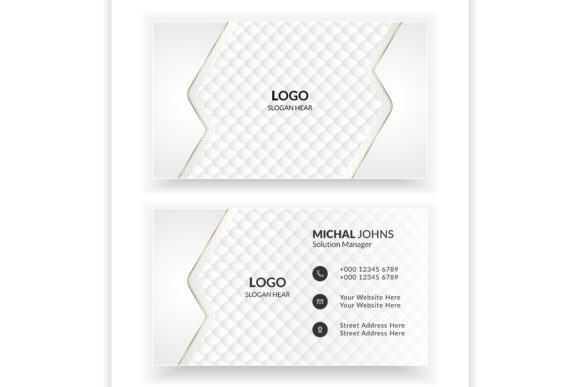
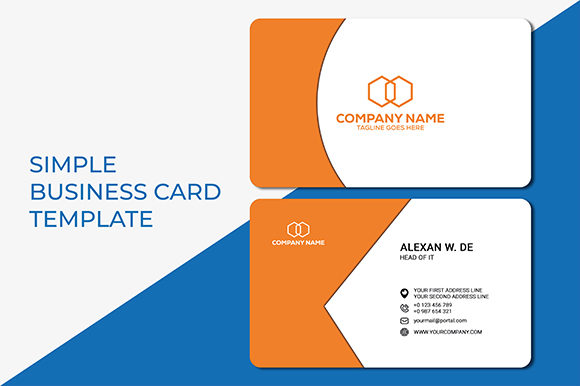
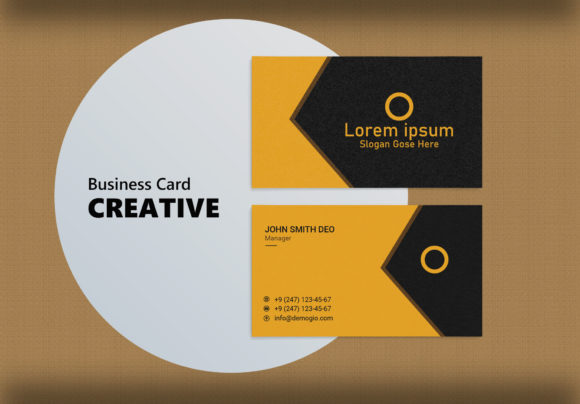
The template download we're examining is a prime example of thoughtful design preparation. It contains 300 dpi print-ready CMYK PSD files, which means it's built for the printing press, not just the screen. The color mode (CMYK) ensures that the colors you see on your monitor will translate accurately to the final printed product, avoiding those frustrating "it looked different on my computer" moments. The 3.5”x2” size with a 0.25” bleed is the standard North American business card dimension, with the bleed area ensuring your background color or image extends fully to the edge without any white borders after trimming.
What truly makes a template valuable is its flexibility. Here, all main elements are easily editable and customizable. This means you're not locked into the original designer's color scheme, font choice, or layout. You can adapt it to fit your existing brand identity, whether you're a minimalist startup, a creative agency, or a boutique retailer. The inclusion of fully layered AI & EPS files alongside PSD is a significant advantage for professional designers, as it allows for vector-based editing in Adobe Illustrator, perfect for scaling and refining logo design elements without loss of quality.
Where a Strong Template Makes the Difference
The applications for a well-structured business card template extend far beyond simple contact information exchange. Consider these scenarios:
- Entrepreneurs and Small Business Owners: A cohesive, professionally designed card instantly boosts credibility. It signals that you pay attention to detail, which translates to how you might handle client work. Using a template with a modern typeface can position your brand as contemporary and approachable.
- Freelancers and Creatives: For designers, writers, and photographers, your business card is a mini-portfolio. A template that incorporates a strong visual hierarchy or a unique layout can showcase your design sensibility. It’s a chance to demonstrate your understanding of visual hierarchy and typography in a compact space.
- Corporate and Marketing Teams: Templates ensure brand consistency across an entire department or company. When everyone uses the same foundational design, with approved font pairings and color palettes, it reinforces a unified professional image. This is crucial for large-scale networking events or trade shows.
- Content Creators and Influencers: In the creator economy, personal branding is everything. A unique card can reflect your channel's aesthetic—be it vibrant, elegant, or quirky. It becomes a memorable artifact that connects your online presence to a real-world interaction.
Practical Guidance for Choosing and Using Your Template
Selecting the right template is the first step. Don't just pick what looks cool; consider your audience. A legal consultant might gravitate toward a template with a classic serif font and a muted color scheme for a sense of tradition and trust. A tech startup might prefer a template with a clean sans serif font and bold geometric shapes to convey innovation.
Once you have the files, the customization process is key. Start by replacing the placeholder text with your own details. Be ruthless with information—include only the essentials: name, title, company, phone, email, and website. Next, update the colors to match your brand's hex codes or Pantone references. If the template uses a display font or a stylized script font for headings, ensure it aligns with your brand's voice. Is it playful, authoritative, or sophisticated?
Pay close attention to readability. A beautiful font is useless if it's too small, too thin, or too ornate to read at a glance. Test the layout by printing a draft on your home printer. Does the contact information stand out? Is there a clear visual hierarchy that guides the eye from your name to your logo to your details? The Smart object feature mentioned in this template is a designer's best friend, allowing for easy swapping of imagery or logos while automatically applying the correct perspective and lighting effects.
Beyond the Business Card: Expanding Your Design Assets
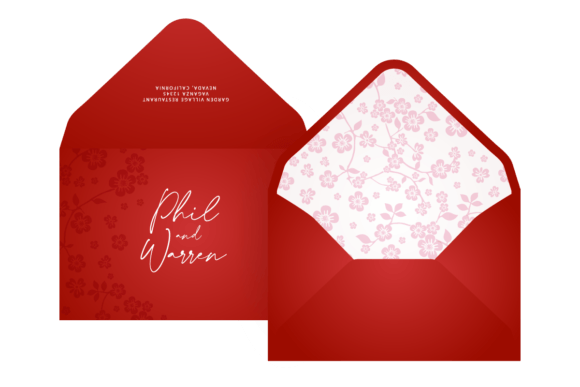
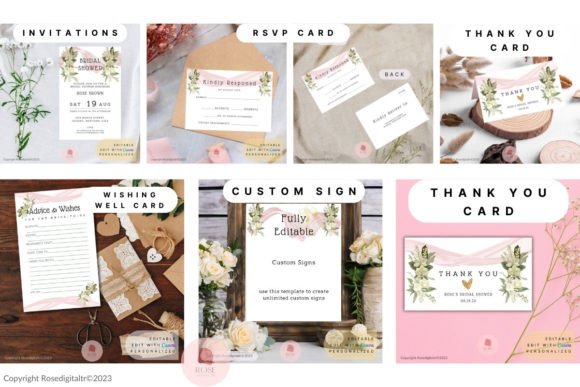
A great business card template often exists within a larger design ecosystem. Many premium template packs include matching letterheads, envelopes, and social media graphics, allowing you to build a complete brand identity suite. This consistency is vital for editorial design, packaging design, and web design—every touchpoint should feel connected.
Think of your business card as the anchor. Its style should inform the font pairing you choose for your website, the layout of your Instagram stories, and the design of your email newsletter. When you invest in a high-quality, commercial font or a versatile template, you're investing in a cohesive visual language that builds recognition and trust over time.
Ultimately, a business card is a tool for connection. By starting with a robust, customizable template, you ensure that tool is not only functional but also a true reflection of your professional identity. It removes the technical barriers of file setup and print specifications, letting you focus on the creative and strategic decisions that will make your card—and your brand—stand out. Download the template, make it your own, and hand it out with confidence.