Stop Scrolling: Elevate Your Fashion Brand with Proven Social Media Templates
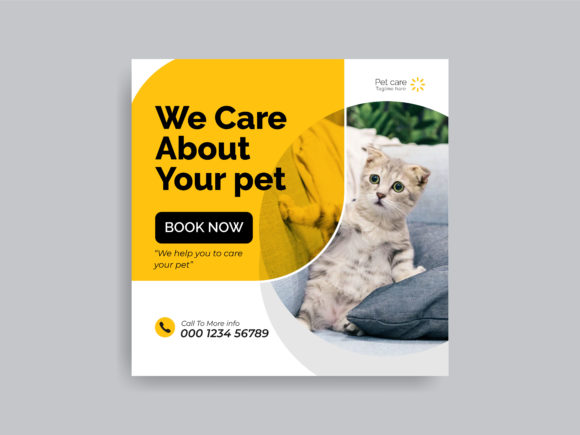
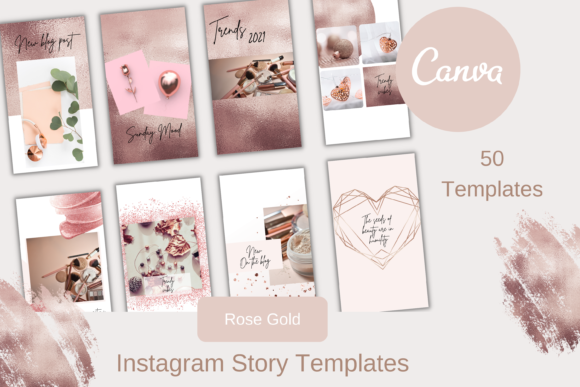
In the relentless pace of digital marketing, the difference between a sale and a scroll-past often comes down to visual impact. For fashion entrepreneurs, boutique owners, and creative agencies, the pressure to produce high-quality content daily is immense. You might have the perfect product—a stunning summer dress or a sleek accessory—but if your social media graphic feels flat or generic, the message gets lost. This is precisely where strategic design assets come into play. Instead of starting from a blank canvas every time, utilizing professional Products Social Media Post Templates provides a structured yet flexible foundation for your brand’s visual storytelling. These aren't just random shapes; they are carefully constructed layouts designed to guide the viewer's eye, highlight product photography, and drive engagement on platforms like Instagram and Facebook.
The Anatomy of a High-Performing Fashion Post
When we look at the specifications of a modern, professional template bundle—specifically those designed in Adobe Illustrator (AI)—we are looking at the intersection of art and engineering. A standard for these social media graphics is the 1080x1080 pixel dimension. This isn't arbitrary; it is the native resolution for Instagram feeds, ensuring your image remains crisp and undistorted on high-definition mobile screens. However, the technical specs go deeper. These templates operate in RGB color mode, which is essential for digital displays, ensuring that the vibrant reds of a lipstick or the deep blues of denim look exactly as intended on a viewer's phone or tablet.
Furthermore, working with a vector-based AI file rather than a flattened raster image (like a JPEG) changes the game for customization. When you download a premium font or a template set, you aren't just getting a static picture. You are getting a layered file where text, shapes, and image placeholders are fully editable. This allows you to swap out color palettes to match your current season's collection instantly. The "personality" of these templates often leans toward modern minimalism or bold editorial styles, relying on strong visual hierarchy to ensure the "Sale" message or the product image takes center stage without visual clutter.
Designing for Brand Recognition and Consistency
One of the biggest challenges in brand identity is maintaining consistency across multiple channels. A disjointed feed looks unprofessional and erodes trust. By utilizing a cohesive set of Products Social Media Post Templates, you create a recognizable "rhythm" on your profile. When a user scrolls through your grid, they should immediately recognize your aesthetic before they even read the text.
Consider the role of typography within these layouts. A well-designed template will leave specific breathing room for different types of text. You will usually find a designated area for a display font or a bold sans serif font for the headline (e.g., "Summer Sale: 50% Off"), and a cleaner area for body text. This structure forces good design habits. It prevents the common mistake of slapping text over the most important part of a product photo. By adhering to the template's layout, you ensure that your logo design is always legible, the sale price is prominent, and the call-to-action (CTA) is clear. This repetition builds brand recognition; your audience begins to associate that specific layout style with your brand's quality and offerings.
Practical Applications: Beyond the Instagram Feed
While labeled as "Instagram Banner Templates," the utility of high-resolution design assets extends far beyond a single platform. Because these files are built at 72 DPI and optimized for digital use, they are incredibly versatile for the modern multi-platform marketer.
- Instagram Stories & Reels: While the base size is square (1080x1080), the elements within the AI file can be easily repositioned to fit vertical formats (1080x1920) for Stories or Pinterest pins. You can maintain the same font pairing and color scheme while changing the aspect ratio.
- Email Marketing Headers: If you are running a newsletter for your fashion brand, consistent visuals are key. Exporting a section of your social media template to use as an email header ensures that the transition from social media to the inbox feels seamless for the customer.
- Web Design Elements: For those running e-commerce sites, these templates can be adapted into web banners. The clean lines and professional typeface choices typical of these assets help elevate the look of a homepage or a landing page.
- Digital Lookbooks: If you are creating a digital catalog, using the styling elements from your social templates (borders, text overlays) can tie the lookbook back to your active social campaigns, reinforcing the brand identity.
Selecting the Right Template for Your Niche
Not every template fits every brand. When evaluating a set of Products Social Media Post Templates, you must look past the placeholder images (remember, images are rarely included) and focus on the structural design. If you are a luxury jewelry brand, you need templates that utilize negative space and elegant serif fonts or delicate script fonts. These layouts should feel airy and expensive. Conversely, if you are a streetwear brand targeting a younger demographic, you might look for templates with bold geometric shapes, overlapping elements, and heavy, impactful sans serif fonts.
It is also vital to consider readability. A template might look artistic, but if the text placement makes it hard to read the sale details on a small mobile screen, it fails its primary marketing function. Always test the template by zooming out. Can you read the "50% Off" text when the image is the size of a thumbnail? If not, the visual hierarchy is likely too subtle for the fast-paced nature of social media scrolling.
Streamlining Your Workflow with Editable Assets
For the entrepreneur or the solo content creator, time is a finite resource. The true value of these design assets lies in the efficiency they provide. Instead of hiring a graphic designer for every single Instagram post, you can purchase a bundle of templates and manage your content in-house.
However, this requires a basic understanding of the tools. These specific templates are designed for Adobe Illustrator. It is important to note that vector files can sometimes behave differently across software versions. Ensuring your software is up to date prevents compatibility issues, allowing you to edit paths, change fonts, and adjust colors without glitches. This "quick and easy to customize" nature is what makes them a staple for small business owners and marketers. You can batch-create a week's worth of content in an hour by simply swapping out product images and updating the text for each new promotion.
The Importance of Commercial Licensing
Finally, a crucial aspect of using creative fonts and templates is understanding the license. Most reputable template marketplaces provide a license that allows for commercial use—meaning you can use the designs to sell your products. However, you generally cannot resell the template files themselves as a product. This distinction is vital for publishers and agencies. Always review the licensing agreement to ensure your commercial font usage is compliant, protecting your business from legal headaches down the road.
Ultimately, integrating professional Products Social Media Post Templates into your workflow is about working smarter. It allows you to maintain a high standard of modern typography and design without the steep learning curve of creating everything from scratch. By focusing on editable, high-resolution AI files, you equip your brand with the tools needed to stand out in a crowded digital marketplace, turning casual scrollers into loyal customers.