Streamline Your Branding: Process Templates
As a graphic designer, there is a distinct moment of panic when a client says "yes" to a proposal. The excitement of landing the gig quickly fades into the reality of project management. You need to gather information, manage expectations, and deliver consistent results without losing your mind. This is where the concept of a Brand Identity Design Process becomes your most valuable asset. It is not just about the final deliverables; it is about the architecture of how you work.
Defining the Visual Workflow
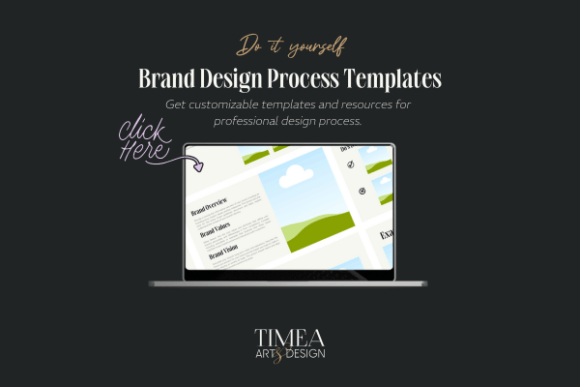
When we talk about a Brand Identity Design Process, we are referring to a curated set of operational tools designed to bring order to creative chaos. Visually, these templates—often found as Brand Identity Design Process PDF files or editable Canva sheets—prioritize clarity and organization. They usually feature clean layouts, ample white space, and logical hierarchies that guide the eye from one task to the next. The "personality" of these tools is professional, structured, and calming. They are designed to reduce cognitive load, allowing you to focus on the creative aspects of logo design and typography rather than administrative logistics.
The aesthetic appeal of a good process template lies in its neutrality. It acts as a canvas. Whether you are using Brand Identity Design Templates for Canva or a standalone PDF, the visual style is typically minimalist. This ensures that the client focuses on the content—the project brief, the timeline, the brand strategy—rather than being distracted by overly ornate design elements. The consistency of these documents signals professionalism to your client before a single color swatch is even selected.
Strategic Application: From Brief to Brand Guide
The practical value of these templates spans the entire lifecycle of a project. The most critical stage is the beginning. A robust Brand Questionnaire Template is the foundation of any successful identity project. It forces the client to articulate their vision, target audience, and values. Without this structured inquiry, designers often end up guessing, leading to endless revisions. By using a standardized questionnaire, you ensure that you are building a brand identity based on strategy, not just subjective taste.
Once the information is gathered, the Design Proposal Template and Project Timeline Template come into play. These documents manage expectations regarding scope and deadlines. They transform the abstract idea of "designing a logo" into a concrete series of milestones. This structure influences the client's perception of your brand; it elevates you from a pixel-pusher to a strategic partner. Furthermore, the Brand Style Guide Template is the capstone of this process. It dictates how the typeface, color palette, and imagery should be used, ensuring visual hierarchy and consistency across all future marketing materials, from web design to packaging design.
Integrating Templates into Your Creative Business
For the aspiring designer, the challenge often lies in implementation. You might have the skills to create stunning social media graphics, but struggle with the business side. Utilizing a toolkit that includes an Onboard & Offboarding Template smooths out the rough edges of client interaction. It ensures that you gather testimonials and final payments efficiently, maintaining a professional relationship that encourages referrals.
When selecting your toolkit, look for adaptability. Brand Style Guide Templates that work within Canva offer a distinct advantage for collaboration. They allow clients to view and even interact with certain elements without needing complex software like Adobe Illustrator. However, for your internal design work, you may still rely on more complex software. The key is to find a system that bridges the gap between your internal workflow and client-facing deliverables. By adopting these design assets, you are not just buying templates; you are investing in a system that supports scalability, allowing you to handle more clients with less stress and greater creative output.